Download
Unlock your outdoors
Open the camera on your mobile device and place the QR code in the camera's "view”
What Makes an Off-Road Trail Difficult Isn’t Just the Trail
Published: Sep 8, 2026
What Makes an Off-Road Trail Difficult Isn’t Just the Trail
Picture a stretch of trail you've run a dozen times: the rock garden past the creek crossing, the spot where everybody in the group says "watch your line here." You've never had trouble with it. Then one Saturday you’re picking through it slower than usual, second-guessing a line that used to be automatic, wondering for a second if you’ve even done this trail before.
What happened? Why is this now significantly different than my last run?
Maybe it’s the rig. Maybe it’s who’s behind the wheel. Whatever it is, the trail didn’t ask permission to change or get harder.
The Trail and the Difficulty Aren’t the Same Thing
When we talk about a difficult trail, we usually start by describing the trail itself. Maybe it’s rated a 6, has a steep climb, a few large rocks, deep ruts, or some combination of all of them. Those descriptions are useful, but they also leave an interesting question sitting underneath them: are we describing the trail, or are we describing the difficulty of driving it?
A physical feature exists whether you’re driving over it or standing beside it. A 30-inch ledge is still a 30-inch ledge, regardless of what vehicle happens to be below it. What changes are the challenges that ledge presents to different vehicles and drivers attempting to get over it.

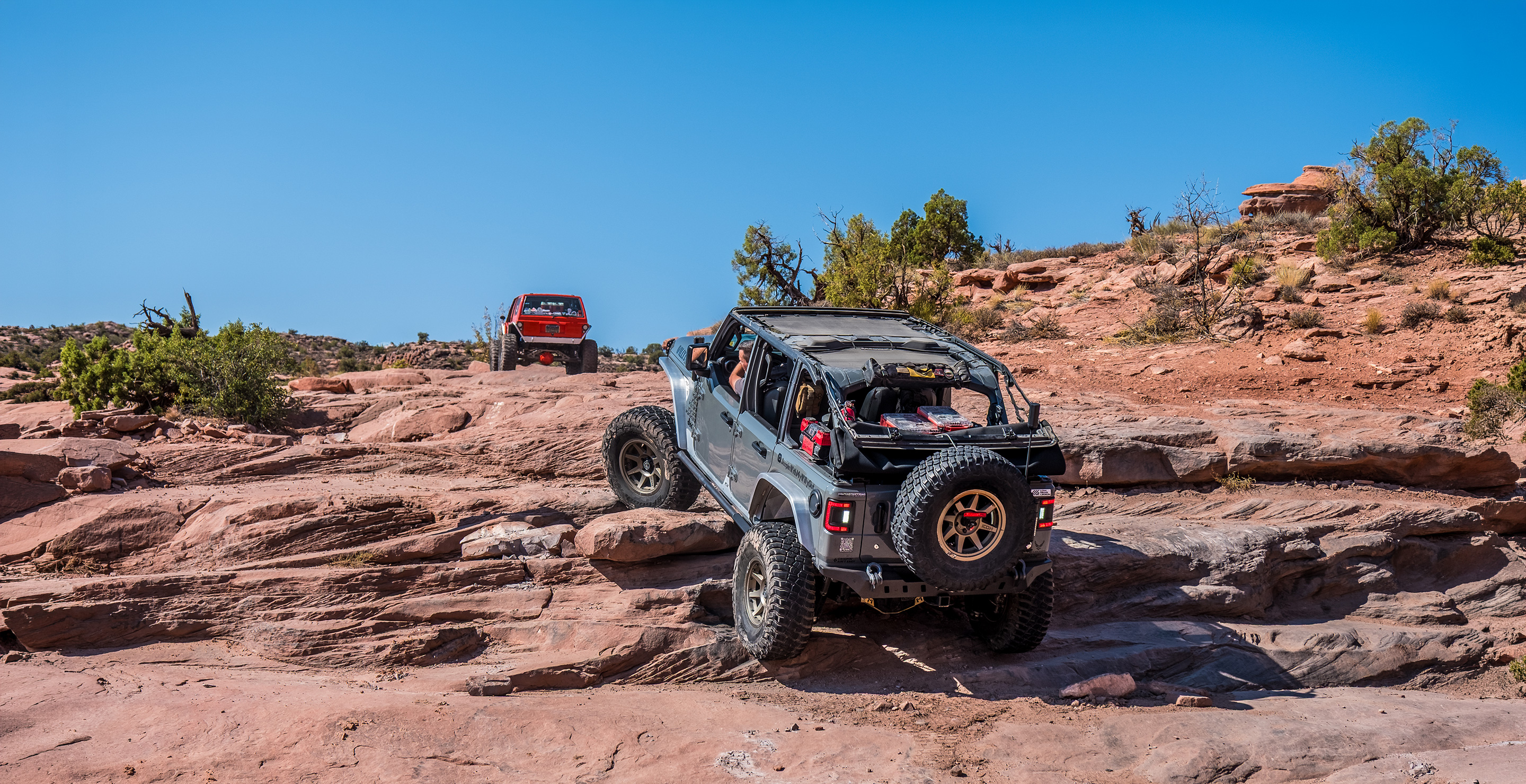
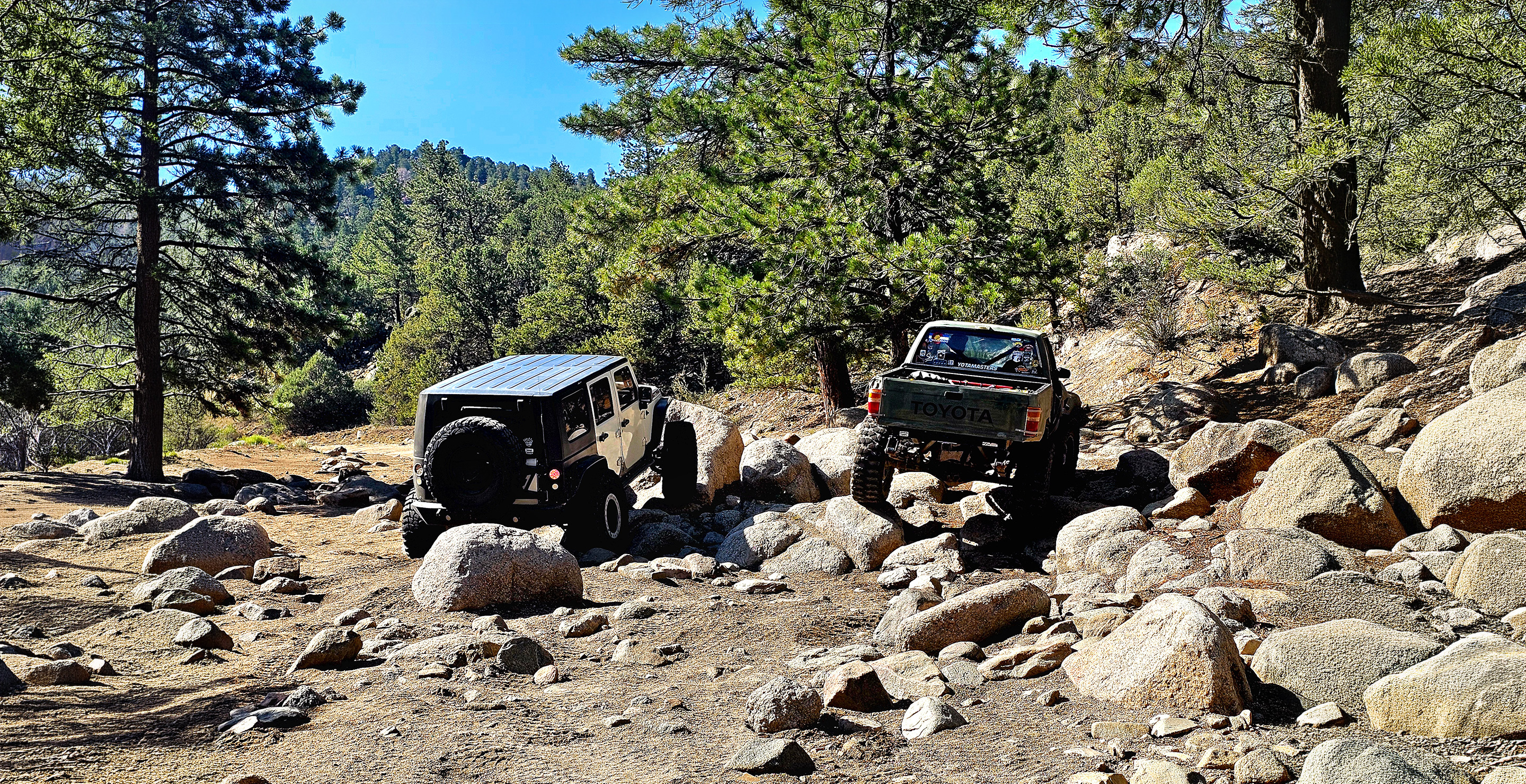
Take that 30-inch ledge. Put a stock 4WD in front of it, then a built-out rig with portals and bigger tires. The ledge hasn't changed, but what it takes to get over it has.
That's the distinction worth remembering. There are physical features of a trail that can be described without knowing who’s driving it, but there is also the challenge of navigating those features in a vehicle with real consequences when a decision doesn’t go as expected.
The Trail Has to Matter
There is a strong argument on the other side of this: some trails are simply more demanding than others. A narrow, rocky route with big boulders on each side is physically different from a maintained gravel road. You don’t need to know anything about the driver or vehicle to recognize that difference.
Grade matters because a steep climb can change how much traction and momentum are required. So does the surface: loose rock, mud, sand, or wet clay changes how the vehicle responds to the same throttle input. Obstacles, erosion, narrow sections, and exposure can add their own demands, and those characteristics can interact in ways that make a section considerably more complicated than any single feature suggests.
There is another part of physical difficulty that can be easy to overlook: trail forgiveness. On some, a poor approach or bad line can be corrected by stopping, backing up, repositioning, and trying again. You have room and additional options to reconsider before it becomes a bigger problem.
Other sections don’t offer that same margin. The wrong decision on a technical climb might leave little room to back out, while exposure can make the consequences of a small mistake much greater than they would be on a flat, open section of trail. A short stretch of difficult terrain can demand more attention and precision than miles of relatively easy driving.
That doesn’t mean there’s a single measurement that captures all of it. Two trails can have similar ratings while having very different personalities, with one providing plenty of room to make an adjustment and the other providing very little once you've committed to a line.
Everything You’re Bringing to the Trail
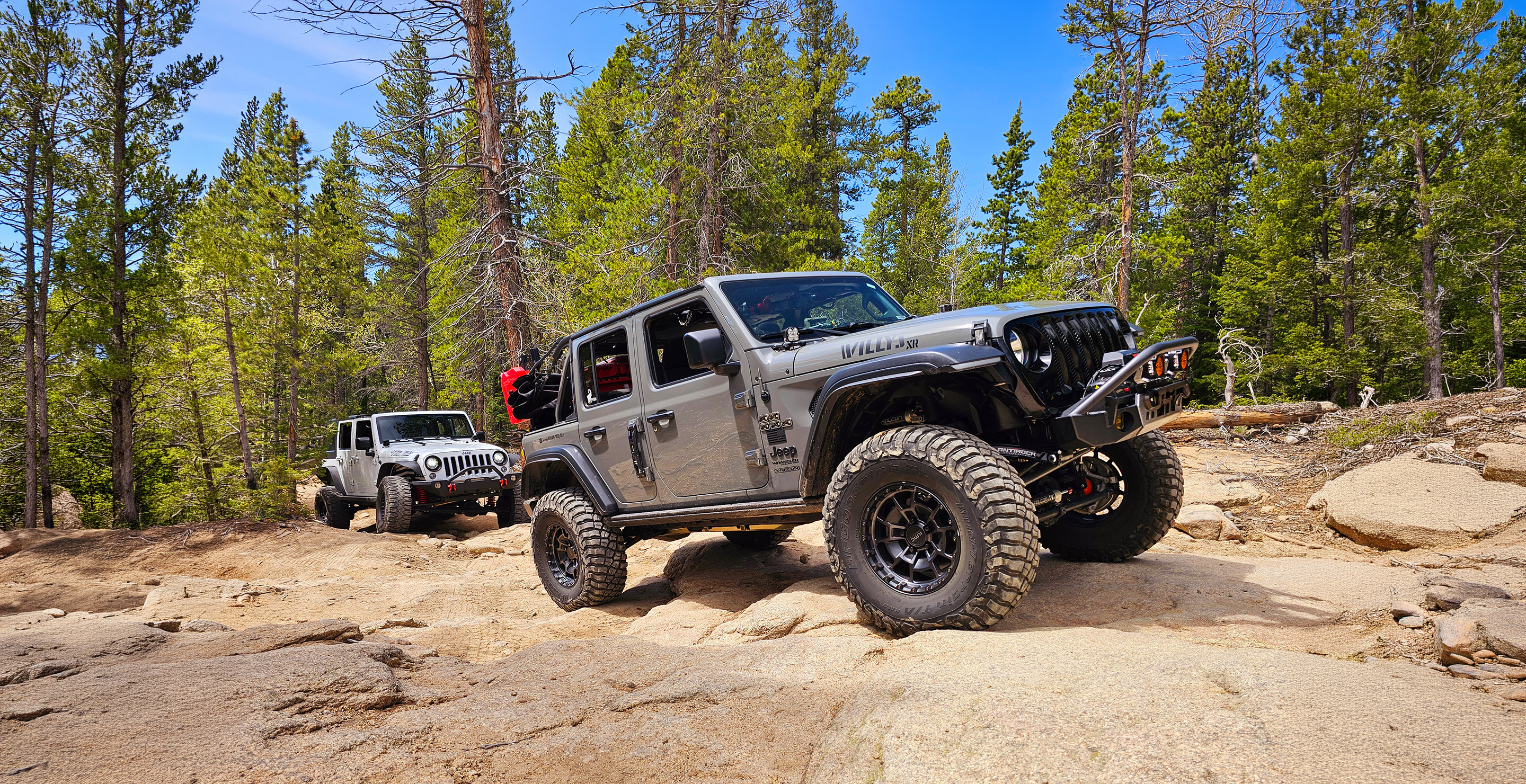
The same trail can look very different depending on the vehicle and driver. The vehicle is the most obvious variable. A truck, 4x4, SxS, or dirt bike each requires a different skill set to get through the same trail.
When a more capable vehicle makes the same obstacle easier to negotiate, did the trail become easier, or did the vehicle change the difficulty? The answer may depend on what we’re actually trying to measure.
Then put a different driver behind the wheel. Experience can change how someone reads the terrain, how quickly they recognize a problem, and how comfortable they are choosing different lines. Technique and judgment matter.
That raises a similar question: when experience makes the same trail easier to negotiate, does the trail become less difficult? Or did the driver's ability to deal with it change? Experience doesn’t remove the physical limits of the vehicle or the difficulty of the trail, but it can change how effectively someone works within those limits.
Decision-making matters, too. Two drivers with the same vehicle may look at an obstacle and make different decisions about whether to attempt it, which line to take, or when they back off. That doesn’t make one driver more capable than the other; their decisions may reflect different goals, experience, or tolerance for what happens if the attempt doesn’t work.
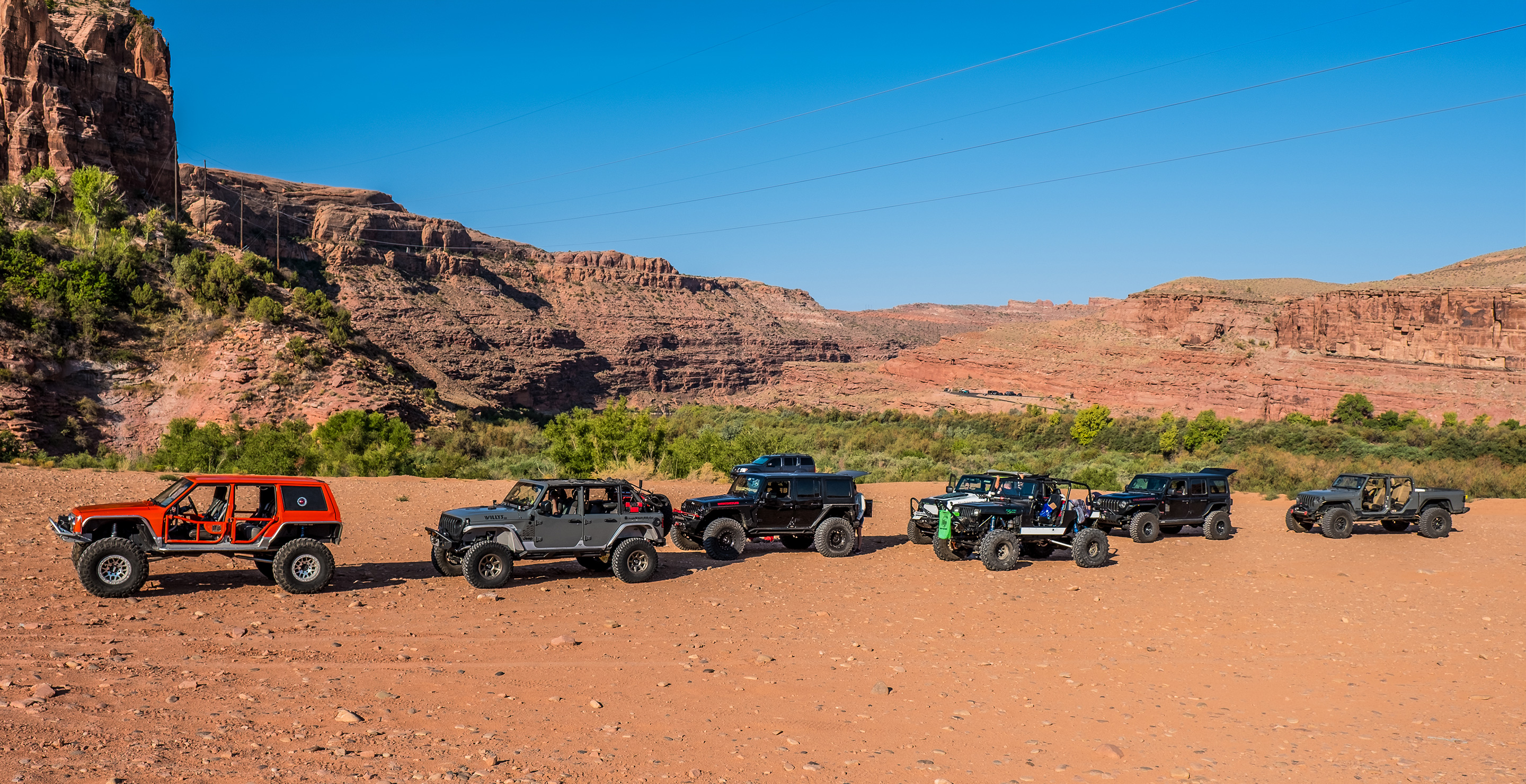
Then there's the group. Being with others doesn't change the physical characteristics of the trail, but it can change what resources are available when those characteristics create a problem. That's a different question from whether wheeling alone is inherently more dangerous, which we explored in Is Wheeling Alone Actually More Dangerous. Here, the issue is narrower and comes down to what changes navigating the trail's challenges when wheeling with a group.
Swap the rig, swap the driver, change who's riding with you. The trail on the map hasn't moved an inch. Everything about the experience of driving it did.
The Trail Isn’t Always the Same
There’s also a more basic problem with treating difficulty as something permanently attached to an off-road trail: trails can change. Rain can cut new channels, sand can cover or reshape obstacles, and flooding can move rocks or reshape a wash. Erosion and repeated traffic can change sections gradually enough that nobody notices until a familiar line suddenly doesn’t work anymore.
The official route may not have changed, but the trail you encounter may be very different from the one somebody described months or years earlier.
That’s particularly easy to miss when you’ve driven the trail before. Familiarity gives you a mental picture of what you’re about to encounter, including where the challenging sections start and where they end. You may remember the line that worked last time and naturally expect the same sequence of decisions to work again.
There’s also a more basic problem with treating difficulty as something permanently attached to an off-road trail: trails can change.
But an obstacle may have moved, the surface may have changed, or the line you remember may no longer exist. A section that used to be the obvious challenge might now be relatively straightforward while another part of the route has become more complicated.
Prior experience is still valuable, but it can create a strange kind of confidence when the conditions have changed. You know the trail, yet the version of the trail in your memory may be different from the one presented in front of you.
So, when somebody says, “I’ve run this trail before,” that’s useful information. It doesn’t guarantee everything about the trail is still the same.
What Trail Ratings Tell You
That brings us back to what most of us use as a starting point: the trail rating. Ratings are useful because they give us a common reference for what a trail is generally like and help establish expectations before we get there. The problem isn't the rating itself. It's what we expect that number or label to tell us.
A rating is an assessment made at some point in the evolution of the trail. If the trail can change through erosion, flooding, sand, rock movement, or other conditions, the rating can’t provide a real-time readout of what you’ll encounter. It does provide valuable information about what the trail was generally like when it was assessed.
Consider a familiar wash trail after significant flooding. The route is still recognizable, but the exit has been reshaped, rocks have moved, and an obstacle that once defined the section may no longer be where it was. A localized change can be enough to make the existing rating understate or overstate what the trail actually demands.
A rating based on the trail before the flood isn’t automatically wrong. It may still give you insight into the same challenges, useful context about the character of the route, and what other drivers have encountered there in the past. What it cannot do is guarantee that the trail you’re about to drive is physically identical to the one that was rated.
The rating is something of a one-size-fits-all. It doesn’t know or differentiate based on the type of vehicle you are taking, how much experience you have off-roading, the current conditions of the trail, or the weather forecast.
That doesn’t make the rating less meaningful or untrustworthy. It’s actually very useful in that it gives the rating a more reasonable role: expectation-setting rather than real-time accuracy.
A useful rating can help answer, “What should I expect this trail to be like?” It can’t answer, “How difficult will this be for me today?” Those are different questions, and both can be worth asking before you make your way to the trailhead.
Perhaps the better question isn't whether the rating is exactly right, but when it was made, what it was based on, and what might have changed since. That gives you a starting point for what you might encounter and what you'll need to be ready for when you get there.
Difficulty Isn’t Binary
The more closely we look at the question, the harder it becomes to make “difficulty” mean one thing in every situation. The physical trail has real characteristics that create real demands, but those demands don't exist in isolation once somebody puts wheels on the dirt.
A stock 4WD, a built-out rig, an experienced driver, a new driver, dry conditions, a wet wash, a solo trip, and a capable group can all change the circumstances surrounding the same physical route. None of that requires pretending the trail itself isn’t difficult when its terrain genuinely is.
The physical trail has real characteristics that create real demands, but those demands don't exist in isolation once somebody puts wheels on the dirt.
It also doesn’t mean every variable deserves equal weight. On one trail, vehicle clearance might be the limiting factor. Somewhere else, consequences of a mistake may matter more. A familiar route after a major weather event can present a different problem altogether, even if the rating and route description haven’t changed.
That may be why a single number can be useful without being sufficient. A rating can describe something real about a trail while leaving important questions unanswered about the actual experience.
The trail matters. The physical demands are real. So is everything you bring to it: your rig, your experience, and the decisions you make along the way. We don't get to decide the difficulty of the trail alone. Neither does the trail.

John Thies
Founder / CEO
John is the Founder of Outryd and an avid wheeler. He is a lifelong off-road and outdoor enthusiast. When he's not on the dirt chasing his next off-road adventure in his SxS or Bronco Raptor - he's spending time with family, friends, and quite possibly chasing a white ball around the golf course.
Out·ry·der |'aut-ˌrī-der|
noun
An Outryder believes the best adventures are co-built. Not just by the trails taken, but by the knowledge shared. They believe in clarity over uncertainty. In access over ego. In connection over competition. With curiosity as their compass, and community as their guide.